That broke college kid juggling loans and lectures? Agentic commerce hits them first. An AI agent swoops in, compares prices across a dozen sites, buys the laptop stand or study lamp on the fly – all optimized for the lowest cost, fastest ship. No more browsing histories or cart abandons to track. Just a sudden transaction, dropped into the ether.
And here’s the kicker for the ad world: those pristine, closed-loop signals retail media networks gobble up? They’re turning noisy. Fast.
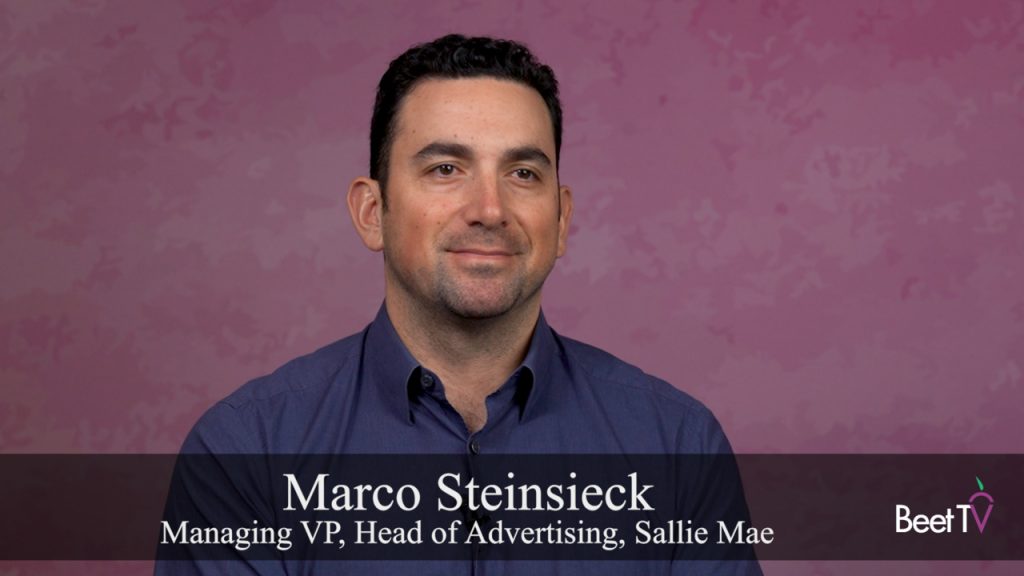
Marco Steinsieck, Sallie’s managing VP and head of advertising, laid it bare at the Beet Retreat in San Juan.
“Keep an eye on transaction data as agentic commerce matures. The more we see agents making transactions and optimizing transactions on things like price, I think the closed loop foundation of retail media networks is going to become noisy.”
Steinsieck’s not just theorizing. He’s built commerce media at Staples, Sephora – now Sallie, the education finance player. He’s seen what glues these networks together. Spoiler: it’s not the data dumps.
Why Customer Relationships Trump Noisy Transactions
It’s the bonds, stupid. Advertisers aren’t ponying up for pixels or purchase logs alone. They’re buying into your grip on the customer – that sticky, predictive hold.
Steinsieck nailed it:
“The biggest lesson has been that the strength of the commerce media network is really founded on the underlying customer relationship. What they’re buying access to is your customer relationships.”
Think about Sallie. They’re not some fly-by-night lender. They shadow students from enrollment to graduation – financial snapshots fused with academic paths. When you start med school? They know. Eyeing a finance degree at State U? Logged.
This isn’t cookie crumbs. It’s trajectory forecasting. Agents might snag the impulse buy, but they can’t predict you’ll need scrubs in year two – or that your loan payoff shifts your spending power.
Sallie’s combo of ed-fin signals? Unique. Unreplicable. At least for now.
But wait – my hot take, absent from the session transcript: this echoes the programmatic ad explosion of 2010. Back then, cheap impressions flooded the market, commoditizing display buys. Savvy players pivoted to audience graphs, first-party data. Retail media’s staring down the same barrel. Agentic noise drowns transactions; relationships become the moat.
Will Agentic Commerce Kill Offsite Media Economics?
Onsite? Sweet. You own the turf – pocket 90% of brand budgets straight to EBITDA. Offsite? Trickier. Working media costs chew 10-50%, hinging on ROAS.
Steinsieck breaks it down clean:
“For onsite media, you own the property. You keep 90% of the brand budget and essentially drop it to EBITDA. For offsite, you have working media costs. That margin rate really depends on the performance that you can drive.”
Cross-channel magic helps. Onsite crushes lower-funnel conversions; offsite pumps awareness, reach. But as agents autopilot low-consideration buys – toothpaste, socks – offsite margins thin.
High-consideration stuff holds firmer. Cars. Insurance. Loans. You’re still in the loop, researching, agonizing. Agents advise, maybe execute – but you steer.
“Keep an eye on more high consideration categories. These are categories where the customer is still going to be in the loop. I think they’re more durable for commerce media.”
Skeptical? Me too. Agents evolve. Today’s high-stakes decisions become tomorrow’s optimizations. Automotive showrooms already test AI configurators. Give it two years.
How Does Sallie Predict the Unpredictable?
Education finance – niche, right? But loaded with signals. Enrollment dates. Majors. Schools. Debt loads. Sallie weaves them into prophecies: you’ll buy textbooks here, tutoring there, post-grad suits next.
“We are with them through their entire education journey. We know about their financial position. We know when they’re starting school, what they’re studying, where they’re going to school. This unique combination of education and financial signals allows us to predict their future trajectory in a way that no one else can.”
Advertisers drool. Target a bio major? Pitch lab gear before semester one. Finance whiz? Investment apps post-grad.
Impressions? Commoditized trash. Data execution? Table stakes.
“Both the media and the data are super important. You need to excel at both to perform. In terms of relative value, it’s shifting more towards audience and insights. Impressions are commoditized at this point.”
Commerce media rises as retail’s complement. Not competitor. Predictive power seals it.
Look, Sallie’s PR glow is real – first-mover vibes. But the spin skips a wrinkle: agents could aggregate these signals too. If OpenAI’s agent pulls your Sallie loan data (with consent, natch), predictions commoditize. The real edge? Depth no API scrapes.
Why This Shift Demands Dual Mastery
Media pros, wake up. Excel at buys – sure. But hoard insights like gold. Transactions blur; audiences sharpen.
Steinsieck’s final nod:
“Commerce media in general is poised to continue to emerge to be a strong complement to retail media. Those audience insights and the predictive power that they bring to advertisers are going to become increasingly important.”
Bold prediction: by 2027, top retail media nets rebrand as ‘insight engines.’ Transaction noise forces it.
For that student? Agents save bucks. For advertisers? Chaos – unless you’ve got relationships that cut through.
🧬 Related Insights
- Read more: Infolinks’ Freides: Supply Control Delivers Real-Time Intent, Ditches Post-Bid Guesswork
- Read more: Upfronts 2024: AI Hype Crashes Into Measurement Reality
Frequently Asked Questions
What is agentic commerce?
Agentic commerce means AI agents autonomously handle shopping – finding deals, optimizing prices, executing buys without human input.
Will agentic commerce disrupt retail media networks?
Yes, by making transaction data ‘noisy’ as agents obscure traditional closed-loop signals, pushing networks toward audience insights.
How can retail media adapt to agentic commerce?
Build deep customer relationships for predictive targeting, excel in high-consideration categories, and blend onsite/offsite media.