Look, 50% of consumers are now expecting shoppable ads. Fifty percent. That’s not some niche corner of the internet anymore, that’s mainstream. And it all points to Connected TV (CTV), a space that’s been hyped for years but is finally, finally, starting to make actual money for someone beyond the platform providers themselves.
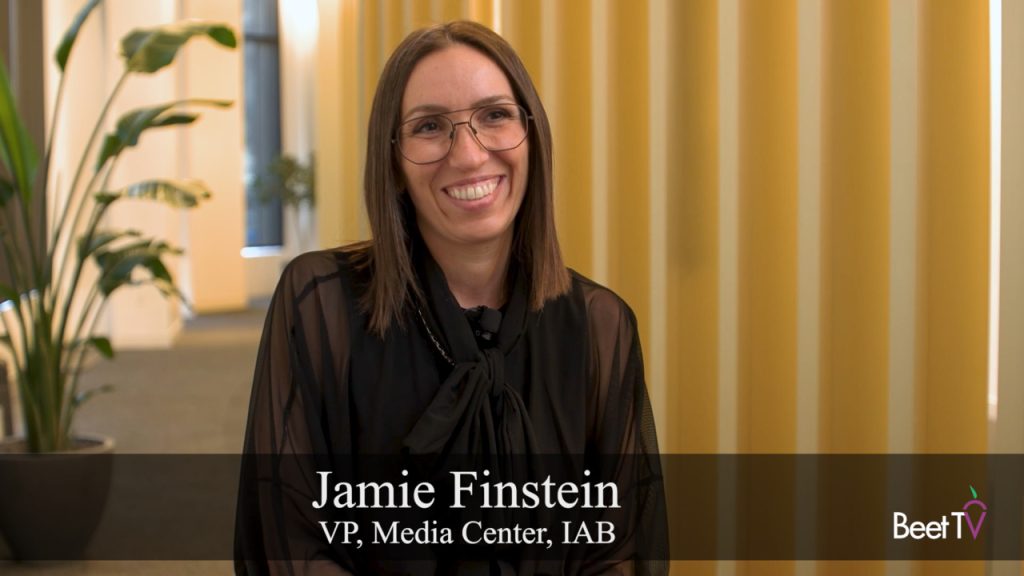
Jamie Finstein, the VP of the Media Center at IAB, dropped this little nugget at the recent IAB NewFronts. She’s basically saying you can’t even talk about commerce these days without bringing CTV into the conversation. And frankly, she’s right. It’s been a long, strange trip from banner ads to actual buy buttons appearing over your favorite show.
The ‘Closed Loop’ Magic Trick
For ages, the holy grail of CTV advertising was proving it worked. You could reach people, sure, but did they actually buy anything? The answer was usually a shrug and some vague notion of brand lift. Now, Finstein says, we’ve got “closed-loop attribution.” What does that mean in plain English? It means they can actually connect that ad you saw on your Roku directly to the purchase you made on Amazon (or wherever). It’s less about counting eyeballs and more about counting dollars. Pretty neat, huh? And guess who’s making this possible? Retailers. They’re handing over their first-party data, and in return, they get a clearer picture of whether their ad spend is actually, you know, selling stuff. It’s a data exchange that finally has a tangible outcome.
Linear vs. the ‘Specific Person’
So, where does your old-school linear TV fit into all this? Finstein’s got an answer for that, too. Apparently, if your goal is still just to blanket the entire planet with your message – think Super Bowl ads, but on broadcast – then linear is your play. Fine. But if you want to target, say, someone who specifically likes artisanal cheese and happens to watch cooking shows on their smart TV? Well, that’s where CTV, armed with all that lovely retailer data, shines. It’s the difference between yelling into a hurricane and whispering directly into a specific ear. And let’s be honest, whispering to the right ear is usually more profitable.
Creators: The New Salespeople?
And then there are the creators. These folks, who used to just churn out YouTube videos, are now making their own shows, working with streamers, and – you guessed it – turning their content into shopping opportunities. Think of it: you’re watching your favorite influencer’s new series on a CTV app, and suddenly, the outfit they’re wearing is just a click away. It’s a whole new revenue stream for them and another way for brands to get in front of eyeballs that are already engaged. It’s less about passive viewing and more about active acquisition, all wrapped up in a digestible content package.
“If your objective is still that mass reach, reaching those households, you’re still going to turn to linear most likely,” Finstein said. “If you want to reach with live content a very particular person and use strong first party data, let’s say from a retailer, now you have the opportunity to do so.”
Signal Quality: Still Matters, Duh
Now, let’s not get too excited. All this fancy targeting and attribution relies on good data. Finstein even mentions the IAB Tech Lab’s work on things like the Open Measurement SDK, which, for the uninitiated, is basically trying to make sure everyone’s playing by the same rules and that the data being collected is actually legit. Because as the digital landscape gets more fragmented (and believe me, it gets real fragmented), knowing who you’re actually talking to becomes paramount. Selling toothpaste to everyone is one thing; selling a niche, organic, vegan toothpaste to someone who actively searches for that specific product is another. Signal quality, people. It’s the plumbing behind the whole operation. Without it, even the best-laid plans for commerce on CTV can go down the drain.
Look, the ad tech world is a perpetual motion machine of buzzwords and half-baked ideas. But this CTV-commerce convergence? It feels different. It’s not just about showing you more ads; it’s about making ads do something. And if it means fewer awkward silences where you’re supposed to remember a brand name and more direct paths to purchase, then maybe, just maybe, this is one of those rare instances where Silicon Valley actually figured out how to make things a little easier for everyone involved. Or at least, for those who are good at spotting the actual money-makers.
🧬 Related Insights
- Read more: Swalwell Suspends CA Gov Bid Amid Rape Allegations [2026 Shakeup]
- Read more: Why Search Data Never Matches [5 Fixes Now]
Frequently Asked Questions
What does ‘closed-loop attribution’ mean for CTV ads? It means advertisers can now track an ad seen on your streaming device directly to a purchase made, proving the ad’s effectiveness in driving sales.
Will CTV ads replace traditional TV commercials entirely? Not necessarily. Traditional linear TV might still be used for mass reach campaigns, while CTV is better suited for highly targeted advertising.
How do creators fit into the CTV commerce trend? Creators are increasingly integrating shoppable content into their streaming programs, allowing viewers to purchase items featured in their shows or videos directly.