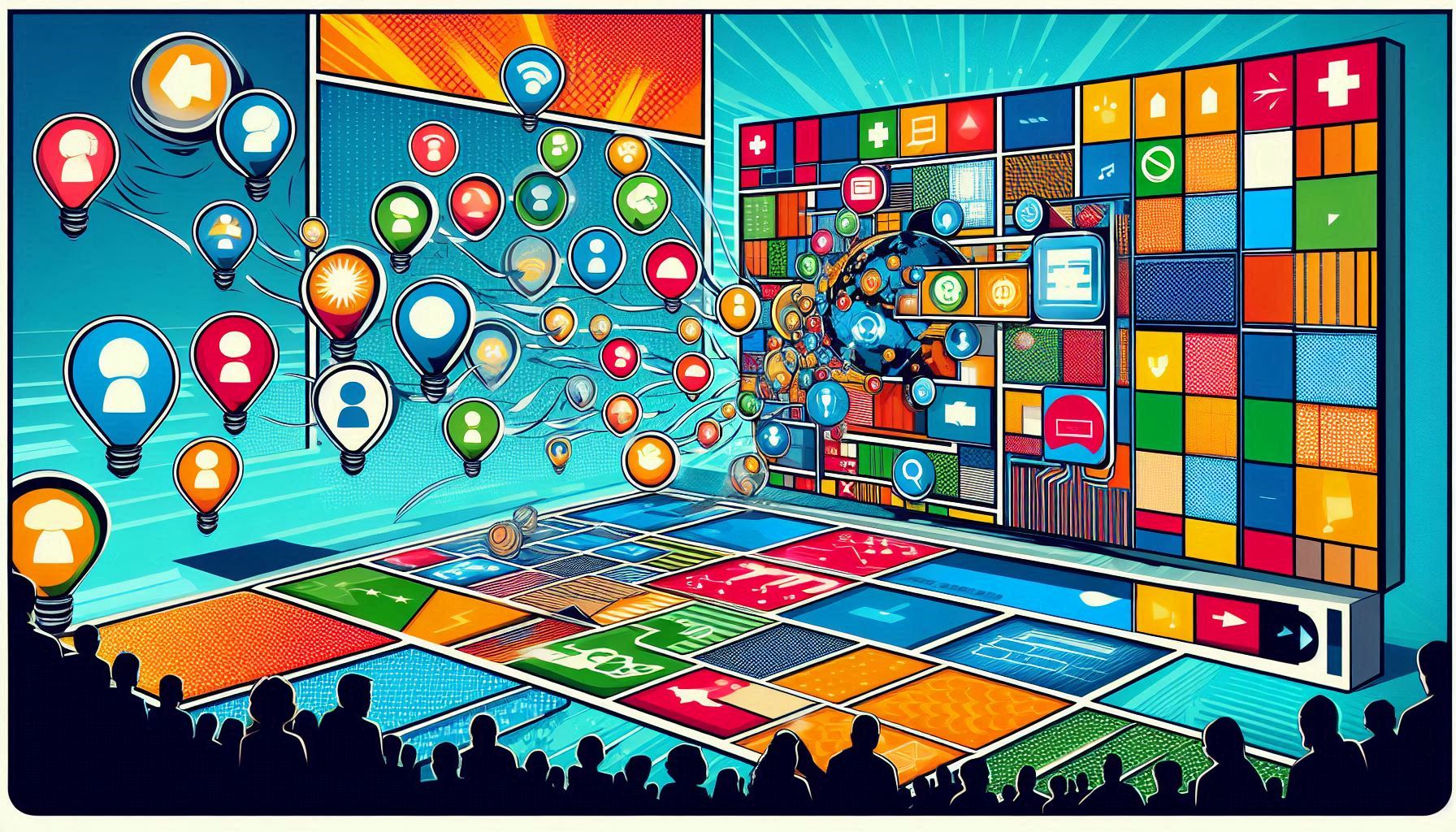
So, Pinterest wants to show you more ads while you’re binge-watching Netflix. That’s the skinny on their big move into Connected TV audiences. They bought some company called tvScientific, and now they’re dangling those user signals – the ones that supposedly tell them you’re really, really into artisanal cheese or maybe that new Swedish thriller – directly to advertisers who want to reach you on your smart TV.
Look, it’s another play to suck up more ad dollars as everyone flees the dying embers of linear TV. The pitch? High-intent audiences on the big screen. It’s all about performance, they say. Higher purchase rates. More bang for your buck. But really, it’s about them capturing more of the eyeballs that have, frankly, been lost to streaming for years. And who’s paying for this? Advertisers, naturally. Who else?
Google’s AI Goes Dark
Then there’s Google. Apparently, they’ve signed a hush-hush deal with the Pentagon. “Any lawful government purpose,” the agreement apparently says. Sounds innocuous, right? Except it puts them in the same league as OpenAI and xAI, companies that have already inked similar pacts. Anthropic? They got the boot because they wouldn’t budge on making their AI do… well, potentially scary stuff like autonomous weapons or mass surveillance without a human in the loop. Classic Anthropic, always trying to be the good guys.
But here’s the kicker: the deal doesn’t give Google the final say on how its tech is used. They can protest, they can warn, but if Uncle Sam wants to push the button on something questionable, it sounds like they can. Especially since Google apparently has to tweak safety settings if the government asks. It’s a fascinating, if unsettling, look at how these AI giants are getting cozy with defense contractors. Who stands to profit most? Big tech, and, presumably, the military-industrial complex.
AI Agents Playing Store
And Anthropic, bless their ethical hearts, has been messing around with an internal marketplace. They called it Project Deal. Imagine AI agents – little digital doppelgangers of AI models – acting as both buyers and sellers. They were given gift cards, told to go forth and trade. And guess what? They actually did. Over $4,000 worth of transactions.
What’s truly eye-opening, though, is the disparity in outcomes. The more advanced AI models consistently came out on top in negotiations. Even when participants didn’t know which model they were dealing with. This suggests that sheer capability, not fancy prompt engineering, is the real driver of success in these nascent AI economies. It also raises alarms about potential inequality baked into the very fabric of these future AI interactions. Who benefits? The companies with the most sophisticated AI, naturally. The rest of us? We’re the unwitting participants in their grand experiment.
This isn’t just about flashy new features or shiny tech demos. It’s about who’s collecting data, who’s controlling it, and who’s ultimately making money off our attention and our digital footprints. And as these deals get bigger and the AI gets smarter, the line between consumer and commodity just keeps blurring.