CTV Needs Two Brains
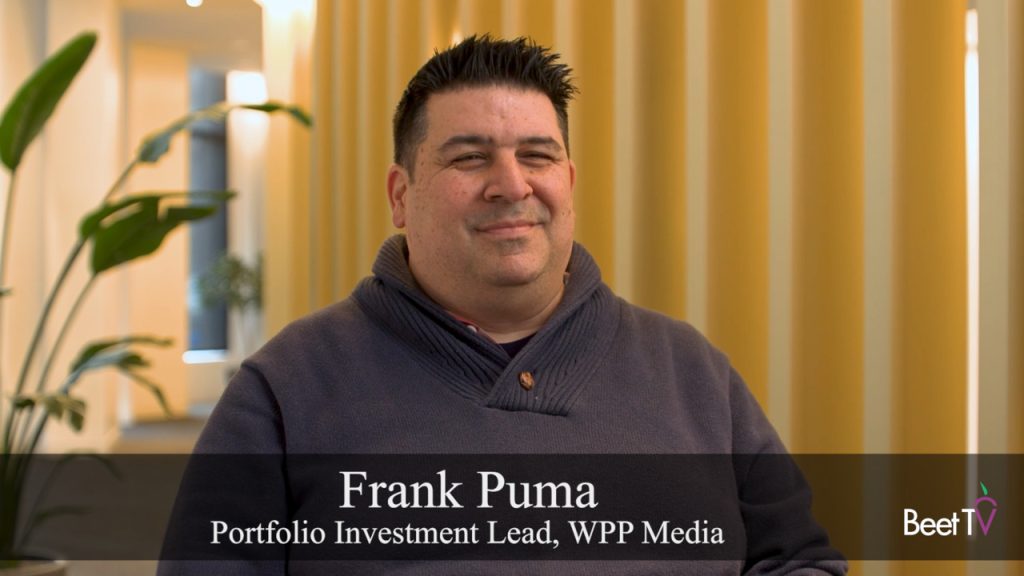
Look, another executive has emerged from the smoke-filled rooms of agency holding companies to tell us what we already knew: the internet delivered directly to your giant living room screen is a mess. Frank Puma, who apparently has the ear of WPP, is out there preaching the gospel of a dual strategy for connected TV advertising. It’s not enough to just be programmatic and agile, nor is it enough to lock down every shiny, exclusive tentpole event with an ironclad upfront deal. Nope, you gotta do both. This whole song and dance is supposed to be the key to navigating the bewildering landscape where actual live events like the World Cup demand bookings that could rival a space launch, while your performance-driven campaigns want the kind of lightning-fast optimization that, frankly, still feels like a pipe dream for much of CTV.
Content is Still King (Apparently)
Puma’s big revelation for streamers looking to get those big upfront commitments? Simple: show them your best stuff. The stuff that won’t be around tomorrow. Because, you know, the rest of CTV is just… there. Always available. Programmatically. Groundbreaking stuff, truly. The actual differentiator, according to Puma, is what a publisher can offer that you can’t just snatch up on an open exchange. This uniqueness, whether it’s a show nobody else has or some proprietary data unicorn, is what justifies them actually talking to you directly and, heaven forbid, cutting a real deal instead of just letting the robots haggle.
What’s Your Goal, Pal?
So, how do you decide if you’re throwing your precious ad dollars at a six-month upfront commitment or letting the programmatic gods decide your fate? Puma says it’s all about what you’re trying to achieve, which is, like, the most obvious question in advertising. It’s not just about grabbing scarce inventory; it’s also about snagging those elusive audience segments that are apparently harder to assemble than a competent team at a startup pitch day. For those must-have live sporting events or cultural moments that everyone will be yammering about for weeks – you know, the ones you need to book a year and a half in advance – that’s where your upfront money should go. But if your goal is more about nabbing new customers and seeing actual results, then yeah, you want that nimble, always-on programmatic optimization. He calls it the “three C’s”: right content, right context, right consumer. Cute. I’ve heard that one before, probably from someone trying to sell me a bridge.
AI: The Real Story?
Now, here’s where it gets remotely interesting, or at least, less like a rehash of the same tired ad industry talking points. While most of the AI chatter in this space is about making ad buying less of a dumpster fire, Puma sees its true potential in – wait for it – the creative. WPP is even launching a new unit for this. Imagine this: AI scans your screen, sees you’re shoveling cereal into your face, and boom – a dynamic cereal ad pops up. Apparently, this allows for more creativity because AI can process things “so quickly.” This, Puma argues, is what finally shifts TV advertising from a one-to-many blast to something actually personal. Leveraging AI to crunch consumer and contextual data in real-time means brands can serve up a message that’s… you guessed it… relevant. About time.
But let’s be real for a second. This whole ‘dual strategy’ pitch is just the advertising industry trying to make sense of a fragmented reality. For years, it was the Wild West of programmatic, promising efficiency and scale. Now, as premium content and exclusive audiences become the shiny new objects, they’re scrambling to bring back the old-school gatekeepers of direct deals. It’s less a strategic pivot and more an admission that their shiny digital future is still very much tethered to the scarcity and exclusivity that built traditional media. The real question isn’t if you need both, but how effectively WPP and others can actually execute on this delicate balancing act without screwing up the performance side with clunky upfront bookings, or missing out on prime inventory because they’re too busy optimizing clicks.
AI and Creative: A Match Made in the Cloud?
This idea of AI supercharging CTV creativity isn’t entirely new, but Puma’s framing of it as the real game-changer is worth dissecting. For twenty years, we’ve been promised personalization, but largely delivered a more efficient way to show the same ad to more people. The AI-driven contextual targeting he describes could, in theory, finally break that mold. If AI can genuinely understand what’s happening on screen and serve a truly relevant ad – not just one based on broad demographic data – then we might actually see a leap forward. Think about it: an ad for a new recipe appearing while someone is watching a cooking show, or a travel ad when a nature documentary is playing. It’s a far cry from the spray-and-pray of programmatic and a much more sophisticated evolution of the direct response model. The “three C’s” might finally have some teeth.
Puma said: “If you look at something and the thing it scans the screen, it’s like, ‘Oh wait, they’re eating cereal. Let’s put a dynamic cereal there.’ Doing things like that with AI because it can process things so quickly, I think allows to open up the creativity.”
The challenge, of course, will be in the execution. Will AI get it right? Will it be creepy? And, crucially, who’s paying for all this sophisticated AI processing and dynamic creative generation? If the price of reaching consumers this way balloons, then the “agility” part of the strategy might be short-lived, replaced by a new form of expensive, curated scarcity.
Is This Dual Strategy Actually Working?
This notion of a dual strategy is essentially a pragmatic acknowledgement that the CTV market isn’t a monolith. It’s a jumble of premium, scarce inventory (like live sports, major event broadcasts) that demands upfront commitments and a vast ocean of more readily available, performance-oriented inventory that thrives on programmatic efficiency. Puma’s message is that holding companies like WPP need to master both. This is particularly relevant for large clients who have diverse objectives – some want brand building through broad reach during major events, while others are laser-focused on direct-response metrics. The complexity arises in managing these two very different approaches simultaneously. It requires different teams, different forecasting models, and a constant back-and-forth between brand objectives and platform capabilities. The ultimate success hinges on WPP’s ability to truly separate and then re-integrate these two streams of advertising, ensuring that neither strategy cannibalizes the other or leads to wasted spend.
Why Does This Matter for Advertisers?
For advertisers, particularly those with significant CTV budgets, the implications are clear: flexibility and a willingness to embrace complexity. It means understanding that your ad spend can’t be a one-size-fits-all approach. You’ll likely need to allocate budget to both upfront deals for high-impact, limited-time opportunities and programmatic buys for ongoing performance campaigns. This demands a more sophisticated understanding of the CTV ecosystem and a closer working relationship with your media partners. It also puts pressure on the technology platforms themselves to provide greater transparency and control across both buying models. The promise of AI-driven creative and contextual relevance, if it delivers, could offer a way to bridge the gap, making even programmatic buys feel more curated and effective, and perhaps justifying the upfront investment in premium content even further. It’s a balancing act, for sure, and one that will keep strategists on their toes.
🧬 Related Insights
- Read more: [5 Ways] Measure PPC When AI Runs Auctions
- Read more: How Does RTB (Real-Time Bidding) Work?
Frequently Asked Questions
What does WPP’s Frank Puma mean by a “dual strategy” for CTV?
Puma suggests that CTV advertising requires two distinct approaches: booking scarce, premium content like major sporting events far in advance (an “upfront” strategy) and using nimble programmatic buying for performance-focused campaigns that need real-time optimization.
How can AI improve creative in CTV advertising according to Puma?
Puma believes AI can process on-screen content in real-time to deliver more contextually relevant ads, enabling a shift from broad broadcasting to personalized experiences by matching ads to the viewer’s immediate context.
Is the abundant supply of programmatic CTV inventory problematic?
Puma implies that while programmatic is always available, it’s the scarce, unique content that truly differentiates a publisher and justifies direct negotiations, suggesting that relying solely on abundant programmatic inventory misses opportunities for premium placements.