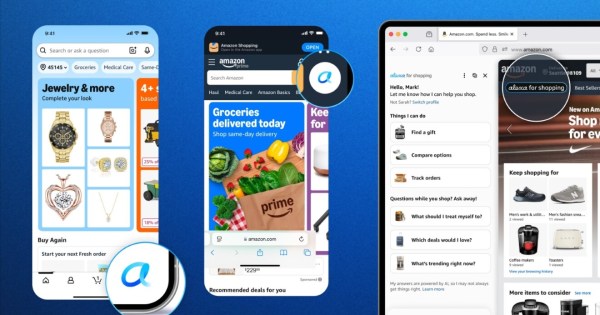
Forget what you thought you knew about talking to your smart speaker. Amazon’s latest move isn’t about making Alexa more conversational – it’s about making it your personal, AI-powered shopping overlord, and the implications for advertisers are massive.
This isn’t just a rebrand; it’s a platform shift. By merging the capabilities of the experimental Rufus AI assistant with the familiar voice of Alexa, Amazon is creating something akin to a digital concierge, an agent that doesn’t just answer questions but actively acts on your behalf. Think of it like graduating from a helpful librarian who points you to the right shelf to a full-blown personal assistant who not only finds the book you need but also compares prices across bookstores, spots upcoming sales, and even pre-orders it for you. This agentic AI is the future, and Amazon is planting its flag firmly on this new digital frontier.
The Shopper’s New Best Friend (Or Is It?)
For actual shoppers, this means a potentially far more intuitive and personalized experience. Alexa for Shopping, as it’s now called, will be woven directly into Amazon’s website and apps, ditching Rufus’s clunky corner-chatbot persona. It promises to create shopping guides, hunt down deals, handle those mundane reorders (hello, recurring toilet paper purchases!), and even spill the beans on a product’s price history. This level of proactive assistance, driven by your own shopping habits, could very well become the new normal for e-commerce.
But here’s the real kicker: the advertising play. Amazon isn’t pouring resources into this AI overhaul out of the goodness of its corporate heart. This is a meticulously orchestrated move to deepen customer engagement and, by extension, supercharge its advertising business. The more time you spend interacting with Alexa for Shopping, the more data Amazon collects, and the more opportunities it has to serve you targeted ads – not just on Amazon, but potentially across its vast digital ecosystem.
“Alexa for Shopping combines the two AI assistants’ knowledge about products and makes personalized recommendations based on customers’ shopping history.”
This isn’t just a clever integration; it’s about creating a sticky, hyper-personalized shopping environment that keeps you locked into Amazon’s orbit. Imagine asking Alexa for recommendations for, say, a new pair of running shoes. It won’t just show you generic options; it’ll tap into your past purchases, your search history, maybe even your recent fitness tracker data, and present you with options that are eerily, and profitably, specific. This is retail media evolving from static product listings to dynamic, AI-driven shopping journeys.
The Advertising Engine Roars to Life
Amazon’s advertising revenue has been a runaway train for years, and this AI upgrade is like adding rocket boosters. By transforming Alexa into a proactive shopping agent, Amazon is creating more touchpoints for potential ad placements. When Alexa suggests a product, it’s a prime opportunity to feature sponsored listings or highlight brands that have paid for premium placement. The line between organic search and paid promotion is already blurry on Amazon; this AI enhancement is poised to make it practically invisible.
This is a masterclass in creating a self-sustaining ecosystem. Better AI means better shopping. Better shopping means more time spent on Amazon. More time spent on Amazon means more data and more opportunities for lucrative advertising. It’s a virtuous cycle, and brands that want to capture consumer attention in the Amazon universe will need to adapt to this AI-powered reality.
Why Does This Matter for Real People?
On the surface, it’s about convenience. No more wading through endless pages of search results. No more second-guessing if that price was really the best deal. Alexa for Shopping promises to simplify the buying process, making it feel less like a chore and more like a guided tour. This is particularly significant for impulse buys, gift shopping, or simply navigating the vastness of Amazon’s catalog. It’s about reducing friction and making the path from desire to purchase as smooth as silk.
However, the flip side of this hyper-personalization is the potential for an increasingly curated — and perhaps manipulated — shopping experience. When an AI is not only suggesting products but actively driving your purchase decisions based on what it knows about you, the concept of a truly unbiased recommendation becomes a quaint memory. This raises important questions about consumer agency and the subtle, yet powerful, influence of algorithmic curation. We’re entering an era where our digital assistants aren’t just tools, but powerful agents shaping our consumption patterns in ways we might not fully comprehend.
This isn’t just Amazon being clever; it’s a preview of how artificial intelligence is fundamentally reshaping how we interact with commerce and, by extension, how brands will connect with us. The days of the simple search bar are numbered. Welcome to the age of the AI shopping agent.