The hum of servers in a data center is a familiar sound, but the real revolution is happening in the quiet hum of AI processing behind a seemingly simple creative operations interface.
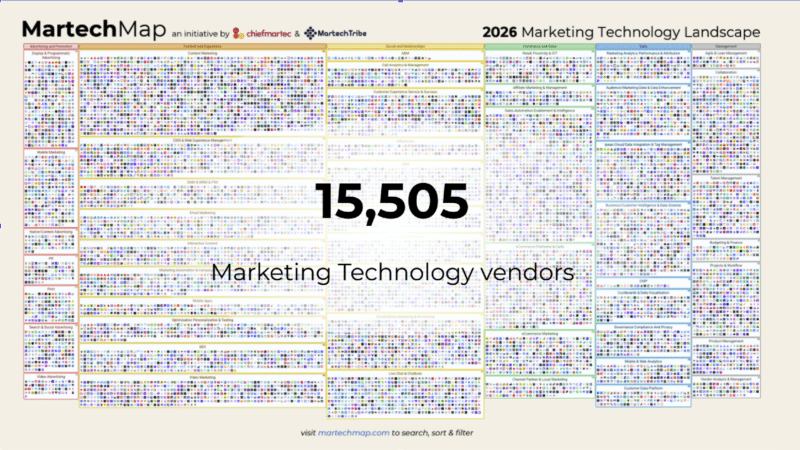
Look, we’ve all been there. Drowning in a sea of point solutions, stitching together a Frankenstein’s monster of martech that threatens to unravel at any moment. CreativeOps platforms have burst onto the scene promising an end to that madness: one dashboard, one contract, one glorious workflow. It’s the siren song of simplicity, and honestly, who wouldn’t be tempted?
But here’s the thing, fellow travelers on the digital frontier: when something sounds that good, that clean, that easy, it’s often worth a second, and then a third, look. The promise of simplification in CreativeOps is incredibly seductive, especially for those who’ve spent years wrangling disparate systems and praying integrations don’t break with every minor update. Rational, right? Absolutely.
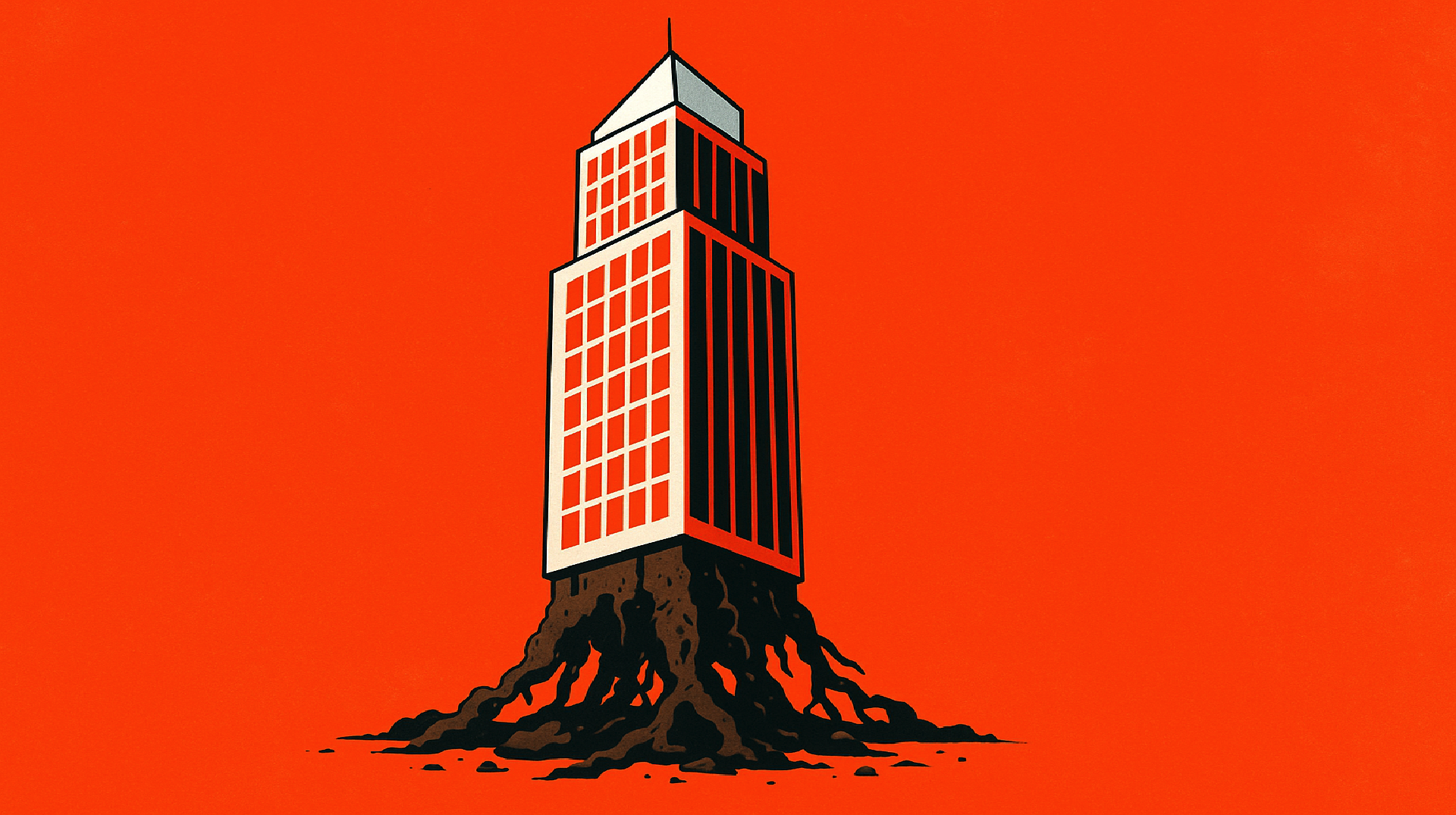
The catch? This isn’t always true simplification. More often than not, what’s being presented is a beautifully designed veneer — a slick front-end — laid over a landscape of deeply interconnected, potentially fragile, dependencies. Think of it like a gorgeous, minimalist house built on a foundation of mismatched bricks and questionable plumbing. It looks amazing from the street, but pray you never have to deal with a leaky faucet.
This isn’t just about having a few embedded components. We’re talking about OEM-supplied capabilities, partner-powered features, and a whole cocktail of AI models being orchestrated behind the curtain. The vendor selling you the unified experience might not control every single one of those gears. And that, my friends, is where the shiny simplicity can start to feel a whole lot like dependency compression.
Is This Real Consolidation or Just Clever Rearrangement?
The market is certainly rewarding breadth. A Digital Asset Management (DAM) system that suddenly offers templating and approvals. A workflow platform that boasts AI review capabilities. These platforms are presenting themselves as the end-to-end command center for your creative supply chain. From the buyer’s perspective, it looks like genuine consolidation. Fewer vendors to manage, less friction between tools. Leadership hears “single platform” and imagines a world of reduced complexity. Sometimes that’s true! But sometimes that complexity has just been… rearranged, hidden behind a velvet curtain.
A unified experience is a wonderful thing for user adoption, but it absolutely doesn’t guarantee a unified, transparent architecture. We’re seeing a spectrum of how these capabilities are brought to life:
- Genuinely Native: Built, owned, and controlled by the vendor. The gold standard, if you will.
- Tightly Embedded: Originated elsewhere but glued in pretty well. Still a dependency, but a known one.
- OEM or White-Labeled: Someone else’s product, sold under a different brand. You’re buying the wrapper, not the contents directly.
- Partner-Powered: The feature shines within the platform, but its existence and roadmap are tied to a separate vendor relationship you likely don’t see or manage.
And then there’s the AI layer, which is where things get really interesting. Your single “AI assistant” might be a maestro conducting an orchestra of different models, each chosen for its specific task, cost, or availability. You see one capability, one smoothly workflow. But beneath the surface? A digital ballet of specialized AI engines, none of which a single vendor has end-to-end dominion over.
Just because the user interface is elegant doesn’t mean the complexity has vanished into thin air. It’s just… less visible.
Visible Mess vs. Compressed Dependency: What’s the Real Risk?
Most teams are well-acquainted with visible complexity. If you have a separate DAM, a workflow tool, a templating engine, proofing software, AI generation, and activation tools, your stack looks… well, messy. The seams are obvious. You know which vendor owns what. You know which contract applies. It’s operationally frustrating, commercially messy, but structurally transparent. You can interrogate the stack.
The unified platform story promises to sweep that mess away. What buyers often miss is that the dependency doesn’t disappear; it gets compressed. It’s pushed behind that single front end, that singular commercial relationship. The buying story gets cleaner, but the underlying operational reality becomes harder to scrutinize. You are now tethered to one supplier, who is, in turn, tethered to a cascade of unseen components. There are fewer obvious seams, less visibility into where a problem might originate, who truly controls critical functionalities, and what lurks beneath that attractive headline price.
Under normal, smooth-sailing conditions, this architectural sleight-of-hand feels like an irrelevant technical detail. If the platform works, the team likes the interface, and support is responsive, who cares about the underlying plumbing?.
But here’s where the magic—or the mayhem—starts. When your organization scales—when asset volumes explode, localization efforts multiply, and automated production becomes the norm—those hidden dependencies start to creak. Security and procurement begin asking tougher questions. Legal demands absolute clarity. A renewal conversation might surface usage tiers that seemed negligible in year one, or a core capability suddenly behaves differently after an unseen update. And heaven forbid you ever consider a migration; you might discover a “core” feature is entirely reliant on a third-party format or a sunsetting service.
This isn’t about being anti-platform or anti-AI. Far from it! I’m an enthusiastic futurist when it comes to AI; it’s the fundamental platform shift of our generation. But this is about understanding what you’re buying. Are you buying genuine simplification, a reduction in your operational overhead and risk? Or are you buying a dependency chain, beautifully packaged, that could become your Achilles’ heel as you grow and the digital landscape inevitably shifts?
This is where the analogy of a meticulously curated art gallery versus a sprawling, but ultimately transparent, artist’s studio comes into play. The gallery is stunning, curated, and presents a single vision. But if you’re the artist, you need to know which pigments are truly yours, which brushes are your own creation, and which solvents are from a trusted supplier, not just a label on the shelf. The latter offers more control and deeper understanding, even if it’s not as aesthetically pristine on the surface.
So, next time you’re presented with that shiny, unified CreativeOps solution, take a moment. Look beyond the beautiful UI. Ask the tough questions about what’s truly under the hood, who controls those components, and what happens when the orchestrated symphony behind the scenes hits a sour note. Because in the long run, understanding your dependencies isn’t just good practice—it’s essential for survival and growth in this exhilarating AI-powered future.
🧬 Related Insights
- Read more: What is a DSP?
- Read more: Agentic Advertising: CTV’s First Big AI Test
Frequently Asked Questions
What does CreativeOps actually do? CreativeOps, or Creative Operations, refers to the systems, processes, and people that manage the creation, production, and distribution of creative assets for marketing and advertising. It aims to streamline workflows, improve efficiency, and ensure brand consistency.
Are unified CreativeOps platforms always bad? Not at all! Unified platforms can offer significant benefits in terms of user experience and ease of management. The critical distinction is whether the “simplification” comes from genuine consolidation of capabilities or from masking underlying dependencies. Understanding the architecture is key to making an informed decision.
Will AI replace creative operations jobs? AI is fundamentally changing how creative operations are performed, automating many repetitive tasks and augmenting human capabilities. While some roles may evolve or be replaced, new roles focused on AI management, strategy, and oversight are emerging. The future likely involves a hybrid human-AI model for creative operations.