Sweat beads on foreheads in a San Juan ballroom, air thick with rum punch and martech regret.
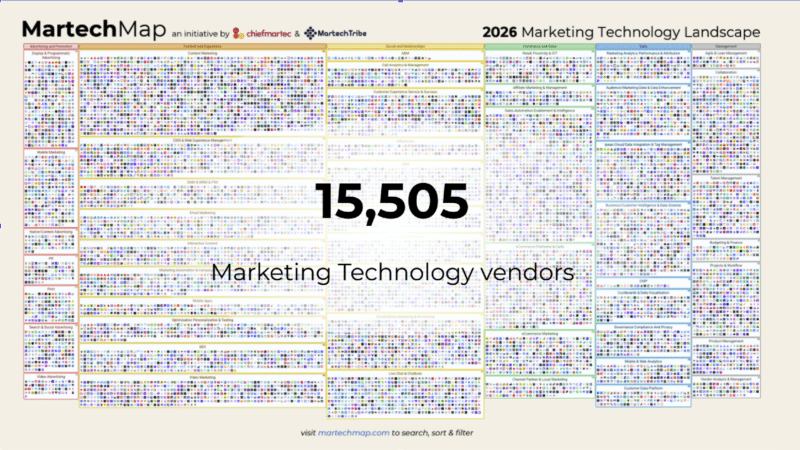
Martech stacks. They’re the digital equivalent of that closet you swore you’d organize—stuffed with tools nobody remembers buying. Maggie Summers, Dentsu X’s head of activation, just lit the match. Speaking at Beet Retreat San Juan, she didn’t mince words: stop hoarding platforms, start thinking.
But here’s the thing. We’ve been here before. Remember the early 2000s ERP disasters? Companies bolted on software like drunken Tetris, only to crash when integration bills hit seven figures. Summers’ rant feels like déjà vu—martech edition. Her unique twist? This time, AI agents will force the purge, not consultants.
“Most tech stacks are complex because they are focused on execution instead of focused on making decisions,” she said.
Spot on. Dashboards everywhere, insights nowhere. Marketers poke pixels, chase vanity metrics. Summers wants sharper questions: Who’s the customer? What decision now? What’d we learn? Brutal. Simple. Overdue.
Why Are Martech Stacks Bloated Nightmares?
Blame execution obsession. Tools promise speed—buy this DSP, tweak that SSP. Result? A Frankenstein rig that spits reports but hides truth. Summers calls it out: force your stack to decide, not just deliver.
It’s comical, really. Teams with 50 logins, zero strategy. One login fails—chaos. And don’t get me started on the vendors. They’ll sell you a dashboard for dashboard’s sake, grinning all the way to the bank. Summers’ fix? Trim ruthlessly. Judgment over JavaScript.
Short version: your martech stack’s a hoarder house. Time to Marie Kondo it.
Look, I’ve seen stacks so fat they need their own server farm. Summers nails why: execution trumps enlightenment. But here’s my prediction—by 2026, half these monstrosities get gutted. AI won’t tolerate bloat; it’ll automate the smart parts and expose the dumb.
Can Identity-First Audiences Survive the Segment Slaughter?
Audiences today? Disposable as yesterday’s latte foam. Slice ‘em by channel, watch ‘em vanish. Summers scoffs. Go identity-first, she says. Build an “identity spine”—signals ingested over time, durable as denim.
Test it yourself. Can you rebuild that audience six months later? No? Trash it.
“In a fragmented ecosystem, how we ensure that we’re building audiences that are durable is that it’s rooted in identity,” she said.
Fragmented? Understatement. Cookies crumble, signals scatter. Identity’s your anchor—stable currency in privacy hell. Walled gardens loom, sure, but root in who people are (consistently), and you learn even if measurement’s fuzzy.
Critic hat on: Dentsu’s pitching this hard, but is it PR gloss? Nah, logic holds. Still, expect hype. Everyone’ll claim “identity spine” next week. Winners? Those measuring durability, not just declaring it.
And yeah, it’s humbling. Your fancy segments? Probably junk.
Activation’s no longer last-mile drudgery. Summers promotes it to “catalyst engine.” Teams interpret signals, decide on fly, adapt systems. Fewer channel jockeys, more hybrid brains linking identity, measurement, everything.
Enthusiasm mixed with disbelief—her words. Mine too. Marketers as thinkers? Radical.
Privacy’s wrecking ball swings wild. Signal loss, regs everywhere. Old targeting? Dead. Identity steps in as currency—imperfect, but steady.
You won’t measure perfectly across platforms. Fine. Experiment in controlled identity bubbles. Learn tons, she says. Translation: walled gardens suck, but smart play pays.
Will AI Agents Shred Your Martech Stack by 2026?
Agents incoming. Summers dubs 2026 “the year of destruction”—old processes pulverized, agents rebuilt at core. Not most agents. Right ones. Making decisions that matter.
“The ones who win are gonna be the ones that have deployed the agents to make the decisions that matter,” she said.
Chilling. Comforting? For those ditching tools, yeah. Permission granted: uninstall half your stack.
But wait—dry humor alert. Marketers nervously refreshing dashboards? They’ll clutch pearls as agents take over. Good. Time’s up for button-pushers.
My bold call: this echoes the mainframe-to-PC shift. Big iron (your stack) gets obsoleted by smart agents (personal computers). Destruction births efficiency. Martech’s next.
Summers wraps it optimistic. Tear out tools, embrace brains. Identity anchors, activation evolves, agents decide.
Skeptic that I am, she’s right—but execution’s the killer. Dentsu X walks the talk? We’ll see. For now, her San Juan smackdown’s a wake-up slap.
Corporate hype radar pings here too. “Catalyst engine” sounds sexy, but smells like consultant bait. Still, core thesis holds: martech needs diet, brains, not buttons.
Puerto Rico heat mirrored the hot take. Rumors swirled post-talk—vendors sweating. Good.
🧬 Related Insights
- Read more: Publishers Pool Forces to Starve Out Programmatic’s Greedy Middlemen
- Read more: Omnicom’s Analytics Chief Warns: AI Needs Guardrails Before It Ruins Ad Campaigns
Frequently Asked Questions
What does Maggie Summers mean by durable audiences?
Audiences rooted in identity, rebuildable months later—not fleeting segments that die with signals.
How will AI agents change martech stacks?
They’ll destroy dumb processes by 2026, automating key decisions if you deploy the right ones.
Why prioritize decisions over execution in martech?
Bloated stacks focus on pushing buttons; winners force systems to answer: who, what, learn.