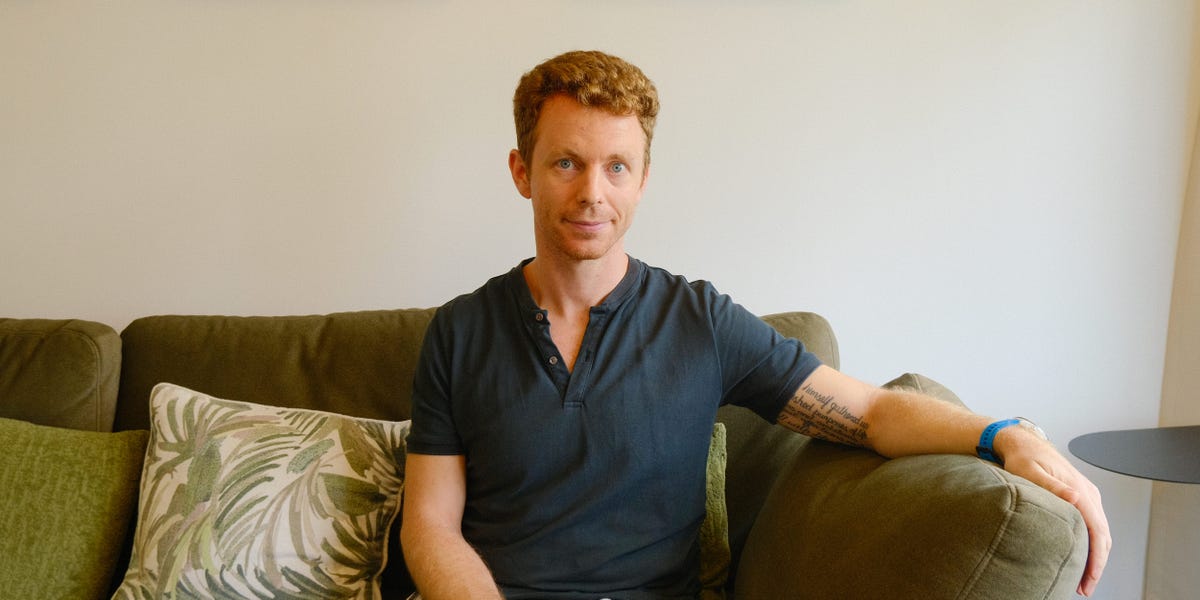
In San Francisco, Nick Burns was shelling out $5,728 a month for rent, plus a parking fee. Now? He’s a homeowner in Singapore, and actively pursuing citizenship there, even willing to renounce his US passport.
Look, we talk a lot about AI as a platform shift – and it is. But sometimes, the most profound shifts aren’t in the code, they’re in how people live and thrive. This story isn’t about algorithms or ad impressions; it’s about the fundamental human desire for safety, affordability, and a life that feels worth the effort.
When I first saw the rent number – nearly six grand! – it stopped me dead. It’s a potent symbol of what’s broken in major US cities. We’re talking about a six-figure salary, and still feeling like you’re treading water, perpetually one rent hike away from disaster. It paints a vivid picture of the financial treadmill many Americans are stuck on.
Why Singapore? More Than Just Cheap Curry
Singapore isn’t exactly known for being a budget destination. It’s consistently ranked among the priciest cities on the planet. But here’s the kicker: for Nick, it made financial sense. How? By shifting from renting a shoebox in SF to owning a government-subsidized apartment (an HDB flat, for those keeping score) on the city fringe for about $790,000. That’s a massive difference. His previous landlord was raking in more than he now pays for his mortgage. It’s like comparing a leaky rowboat to a sleek catamaran – same ocean, vastly different experience.
And the taxes! Oh, the taxes. Back in California, he was looking at around $41,200. In Singapore, his bill was a mere SG$13,300 (roughly $10,000 USD). Sure, as a US citizen, he still has to file US taxes and benefit from the foreign-earned income exclusion, but that’s a world away from the crushing burden he left behind. This isn’t just about saving a few bucks; it’s about reclaiming a significant portion of his hard-earned income. It’s the difference between living to work and working to live.
“Even as a single man, I felt unsafe walking around.”
This quote from Nick just… hits. It’s the unspoken cost of urban living in some parts of America. When your own neighborhood feels like a hazard zone, even a high salary can’t buy you peace of mind. Singapore, with its famously low crime rates and strict gun control, offers a tangible sense of security that’s increasingly rare elsewhere. It’s not just about clean streets (though Nick notes those, too); it’s about feeling secure walking home after dark.
Reclaiming Your Life: Beyond the Bottom Line
The financial benefits are undeniable, but the real magic for Nick seems to be the reclamation of his time and quality of life. A shorter commute, easier daily expenses (hello, $5 chicken rice!), and a more manageable work-life balance have given him back “three to four hours” a day. That’s not a typo. That’s the equivalent of adding an extra part-time job to your week, but instead of earning more money, you’re earning more life. He’s running a lot now, exercising before work – things that probably felt like distant dreams when he was battling a two-hour commute.
This is where the AI parallels start to feel real for me. Just as AI is a new platform that will fundamentally change how we build and interact with technology, moving your entire life to another continent because of cost and safety is a fundamental life platform shift. It’s not a minor tweak; it’s a whole new operating system for existence.
The Human Element: Missing Mexican Food, Gaining Peace
Of course, it’s not all sunshine and efficient public transport. Nick misses his Mexican food and US pizza, and he’s acclimatizing to the year-round heat and humidity. And his family back home? Some get it, some don’t, probably worrying about hypothetical wars or pandemics. But Nick’s message is clear: he feels safer there.
This isn’t just a story about a rich expat finding a deal. It’s a story about priorities. It’s about what we value when we strip away the noise: safety, security, the ability to enjoy the fruits of our labor, and frankly, the right to feel good about where we live. The fact that he’s ready to give up his US passport speaks volumes about how deeply he’s embraced his new life.
It’s a bold move, no doubt. But as we continue to see the dizzying pace of technological change driven by AI, let’s not forget the timeless human drivers that shape our decisions. Sometimes, the most impactful innovations aren’t in the code, but in the courage to build a better life, one decision at a time, even if it means packing your bags and starting fresh on the other side of the world.
🧬 Related Insights
- Read more: Auditing AI Content: What It Means for Your Brand’s Voice and Your Legal Risk
- Read more: Trump’s Endorsement Obsession Hijacks GOP Primary Airwaves
Frequently Asked Questions
What does Nick Burns do for a living?
Nick Burns works in the semiconductor manufacturing industry.
How much did Nick Burns pay for his home in Singapore?
He and his wife bought a four-room public housing apartment for 1.01 million Singapore dollars, approximately $790,000 USD.
Why is Nick Burns considering giving up his US passport?
He is applying for Singapore citizenship and, if approved, is ready to renounce his US passport due to his satisfaction with his life and finances in Singapore and the US’s tax policies on citizens abroad.