Remember when TV and digital media were like oil and water? Distinct disciplines, with their own languages, their own trading desks, their own entire universes. You had the seasoned TV planners, with their Nielsen ratings and brand-building lore, and then the digital wizards, hunched over spreadsheets, obsessing over CPCs and CTRs. They were, to put it mildly, two different worlds. Or so we thought.
The Great Unification
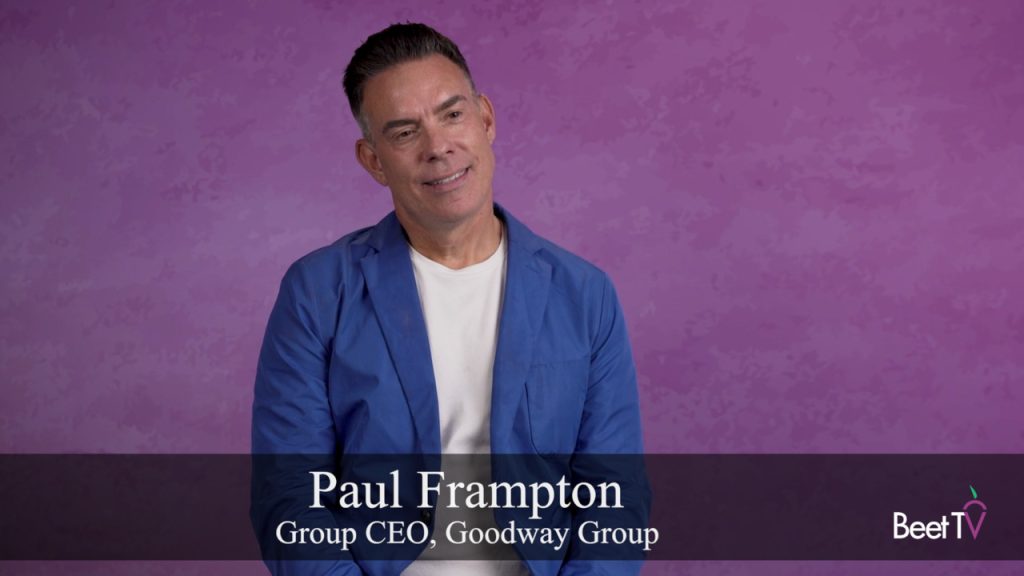
And here’s the thing: that wall, that fundamental separation we’ve all lived with for decades, is coming down. Fast. Paul Frampton, the group CEO of Goodway Group, laid it out with a clarity that’s frankly exhilarating, speaking at POSSIBLE. He’s not just talking about a slight overlap; he’s describing a profound convergence, an almost complete merging of what were once disparate forces. It’s like discovering that the separate continents you learned about in geography class are actually part of one supercontinent, just waiting to be reconnected. This isn’t just an evolution; it feels like a fundamental platform shift, much like the dawn of the internet itself.
“I grew up in a world where I learned how to be a TV planner and it worked in a very particular way. The audiences you buy, the trading audiences were very different to how digital is bought,” Frampton told Beet.TV contributor David Kaplan. “These days, I think it’s almost one and the same. The skillsets are much more blended.”
Think about it. YouTube? TikTok? Suddenly, they’re not just quirky digital outliers anymore. They’re where the audiences are, where the engagement happens. The old guard of channel definition? It’s becoming quaint. What matters now is where the audience is, and what kind of high-quality, emotionally resonant content they’re leaning into. It’s a seismic shift from thinking about where to advertise to who you’re trying to reach and what they care about.
Content is King, Context is Queen
This is where the magic really happens. Television, as a concept, is no longer confined to a glowing box in the living room. It’s any audio-visual experience that hooks people. High quality, great context, genuine emotional reaction – that’s the new trifecta. And it’s everywhere. It’s on your phone, your tablet, your smart TV, heck, probably even projected onto your neighbor’s garage door at some point. Brands are being forced to chase that “leaning behavior” – that rapt attention – wherever it may be found.
The old debate between pure brand building and hard-nosed performance marketing? It’s also getting a much-needed shake-up. For too long, marketers were siloed – the brand folks dreaming of legacy and the performance gurus chasing immediate ROI. Frampton points out the fallacy in this thinking: digital isn’t only performance, and TV isn’t just about brand awareness. The consumer journey itself has become less like a straight line and more like a chaotic, thrilling game of Snakes and Ladders, jumping from LLMs to mobile ads to peer reviews in a blink. Every touchpoint matters, and every channel can serve multiple purposes.
Democratizing the Big Screen
And here’s a part that truly sparks wonder: accessibility. Connected TV (CTV) is like opening up the advertising world’s exclusive VIP lounge to everyone. For years, testing the emotional, attention-grabbing power of television meant dropping serious cash. Millions. Now? You can test CTV with a budget you might previously have earmarked for a digital campaign. Smaller brands, local businesses – they’re getting a shot at the kind of emotional connection that was once out of reach. It’s leveling the playing field in a way that feels genuinely empowering.
The Connected Future
Amazon’s move with Prime TV data targeting is a prime example – pun intended. Suddenly, television isn’t just a megaphone for awareness; it’s a direct response channel. You can find your audience, target them precisely, and drive action. This is the integrated ecosystem we’ve been building towards, where the entire customer journey can be orchestrated, from initial awareness right through to conversion. The future demands that we connect these disparate elements, not by clinging to old format definitions, but by understanding the role each channel plays and, crucially, by focusing on the right audience.
The old ways of thinking about media planning are becoming a relic. We’re moving beyond channels and into a world where content, context, and audience are the true north stars. This isn’t just a trend; it’s the unfolding of a new era in advertising, powered by AI and driven by a relentless pursuit of human attention. It’s an exciting, complex, and undeniably powerful future we’re stepping into.
Is This the End of Traditional TV Advertising?
Frampton’s view suggests the definition of television is expanding, not disappearing. Traditional linear TV might be fading, but the essence of engaging, story-driven video content is more vital than ever. The platform shifts, but the human desire for compelling narratives remains.
Why Does This Convergence Matter for Marketers?
This blurring of lines means marketers need to adopt a more holistic strategy. Understanding audience behavior across all platforms, prioritizing content quality, and leveraging data for precise targeting are now paramount. It’s about breaking down internal silos and embracing a unified approach to reach consumers wherever they are.
🧬 Related Insights
- Read more: IAB Adopts Amazon Framework to Cut Programmatic Waste
- Read more: Creators as Test Labs: Ad Agencies Get Real
Frequently Asked Questions
What does Goodway Group’s Paul Frampton mean by ‘almost one and the same’ for TV and digital? He means that the planning, buying, and strategic skillsets for television and digital advertising are becoming increasingly blended due to audience fragmentation and the universal importance of content quality.
Can smaller brands now afford to advertise on TV? Yes, Connected TV (CTV) has made testing and experimenting with television advertising much more budget-efficient, allowing smaller and local brands to reach audiences with targeted campaigns previously requiring large investments.
How is Amazon changing television advertising? Amazon is demonstrating how television can become a response channel by using its data to target audiences on Prime TV, enabling direct action and conversion, rather than solely serving as an awareness-building medium.