AI is the new electricity.
Seriously, think about it. For decades, we’ve been building increasingly sophisticated electrical grids, powering everything from your toaster to massive industrial machines. But AI? That’s not just a more efficient wire; it’s a fundamental shift in what those machines can do, how they learn, and the very nature of the problems they can solve. This Ubisoft campaign for Just Dance 2026, powered by Displayce and a whole constellation of ad tech partners, is a prime example of AI – specifically, the intelligence embedded within programmatic platforms – acting as that new, transformative platform. It’s not just serving an ad; it’s orchestrating an experience.
Is Programmatic DOOH the New Point-of-Sale Whisperer?
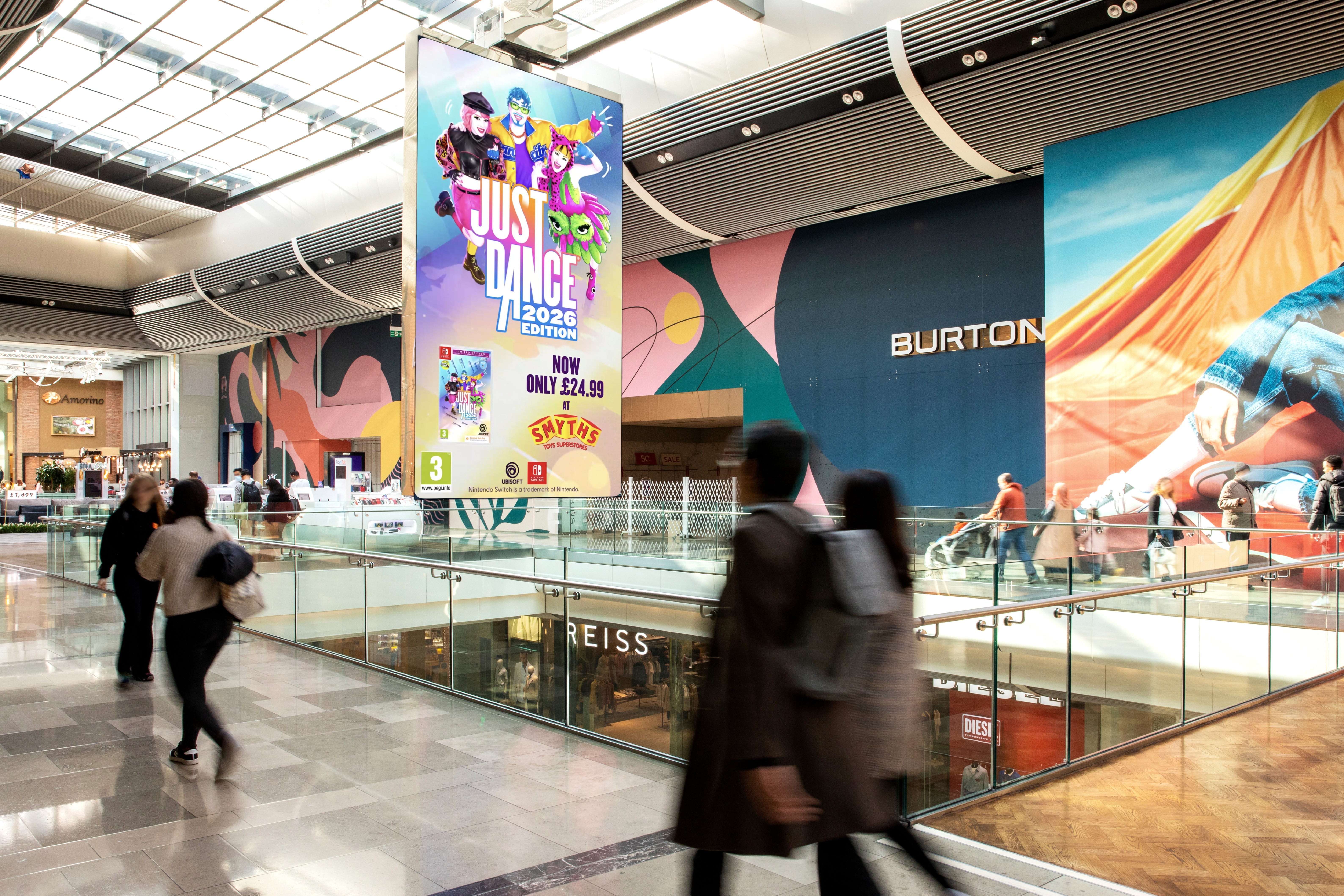
The goal here was simple, yet incredibly complex: make people want to buy Just Dance 2026, especially families and parents. And where do those decisions often happen? Near the actual stores. This campaign didn’t just plonk ads down randomly; it got surgical. We’re talking about deploying digital screens within spitting distance of retailers like Argos and Smyths Toys. Think of it like this: instead of shouting into the void of the internet, they’re having a direct, helpful conversation right as someone is thinking, “Hmm, what should we get the kids?” This isn’t just about impressions; it’s about nudging the needle on purchase intent at the absolute critical moment.
The data backbone for this precision targeting is fascinating. By leveraging audience data from Adsquare, the campaign could identify which profiles were milling around screens at specific times of day. This level of granular insight means they weren’t just targeting “families”; they were targeting families who were currently in a retail-adjacent environment and showing an affinity for entertainment. It’s like having a super-powered intuition that tells you not just who is likely to buy, but when and where they’re most receptive. This is the kind of predictive power that feels straight out of science fiction, but it’s happening now, in AdTech.
And the creatives? Oh, they’re smart. Instead of a generic ad, they’re embedding retailer logos directly into the campaign visuals. This isn’t just clever branding; it’s a blatant, yet effective, signpost saying, “You can get this right here, right now.” It bridges the gap between digital interest and physical acquisition. It makes the abstract idea of buying a game tangible, connecting the digital nudge with the concrete action of walking into a store.
“Programmatic DOOH played a key role in our multi-country strategy for the launch of Just Dance 2026. By combining precise geotargeting around strategic retail areas, we were able to capture the attention of players and families directly within their purchase journey, from urban streets to shopping malls. The encouraging uplifts observed across our brand metrics demonstrate that a data-driven DOOH approach generates real impact on consideration for this type of title.”
This quote from Azzeddin Koleilat at Artefact really crystallizes it. It’s not just about reaching people; it’s about reaching them at a strategic moment within their purchase journey. This is where AI-powered platforms are flexing their muscles – moving beyond simple audience segmentation to understanding behavioral context and environmental cues.
Beyond the Benchmark: Real Impact, Real Lift
So, did it work? The numbers scream yes. In the UK, the campaign snagged 2.6 million impressions, which is solid, but the 33% ad recall rate is where it gets exciting. That’s a full 7 points above the benchmark, pushing Just Dance 2026 into the top 20% of memorable campaigns. That’s not just noise; that’s resonance.
But the real kicker? A 24-point uplift in consideration and a 46% creative interest rate. These aren’t just vanity metrics. They’re indicators that people are not only noticing the ads but are actively thinking about buying the game. Programmatic DOOH, when executed with this level of intelligent targeting and contextual relevance, isn’t just a shiny new toy; it’s a powerful engine for driving actual purchase intent. It’s acting as that final, physical touchpoint that converts digital awareness into real-world action.
My take on this? This campaign is a potent symbol of the platform shift AI represents. We’re moving past the era of broad-stroke digital advertising into a hyper-contextual, hyper-relevant future. This isn’t just about better targeting; it’s about understanding the moments that matter most in a consumer’s life and inserting your brand there with purpose and intelligence. Ubisoft, Displayce, and their partners have shown us a glimpse of what’s possible when we harness the intelligence of AI not just to serve ads, but to orchestrate meaningful consumer interactions, right where the rubber meets the road.
Will This Mean More Jobs for Ad Tech Pros?
Yes! Think of it as the AI revolution in advertising. While some repetitive tasks might be automated, the need for human strategists, creative thinkers, data scientists, and campaign managers who can use these powerful AI tools is only going to increase. The focus shifts from manual execution to high-level strategic oversight and creative innovation.
What Exactly is Programmatic DOOH?
Programmatic DOOH (Digital Out-of-Home) is essentially the automated buying and selling of digital advertising space on screens like billboards, bus shelters, and in shopping malls. Instead of traditional manual negotiations, it uses data and algorithms to target specific audiences at specific times and locations, making it more efficient and effective than ever before.
Is Just Dance 2026 Actually a Good Game?
While this campaign highlights the effectiveness of its advertising strategy, the quality of the game itself is a separate matter! Reviews and player feedback would be the best source for that information. This analysis focuses purely on the ad campaign’s reach and impact.