Digital out-of-home (DOOH) advertising represents one of the fastest-growing segments of the advertising industry. By combining the visual impact and public presence of traditional billboards with digital technology's flexibility and measurability, DOOH offers advertisers a channel that bridges the physical and digital worlds. As programmatic buying comes to DOOH, the channel is becoming accessible to a much broader range of advertisers and integrating seamlessly into cross-channel campaigns.
What Is Digital Out-of-Home Advertising?
DOOH refers to any digitally displayed advertising that reaches consumers in public spaces. Unlike static billboards or printed transit cards, DOOH screens can display dynamic content, rotate multiple ads, update messaging in real time, and incorporate data triggers like weather, time of day, or local events.
The DOOH ecosystem encompasses a wide range of screen types and locations, from massive highway billboards and urban spectaculars to screens in elevators, gyms, gas stations, and doctor's offices. What unites them is digital display technology that enables dynamic content delivery and, increasingly, programmatic transaction capabilities.
DOOH Format Categories
The DOOH landscape can be organized into several major format categories, each with distinct characteristics and audience dynamics.
Large Format
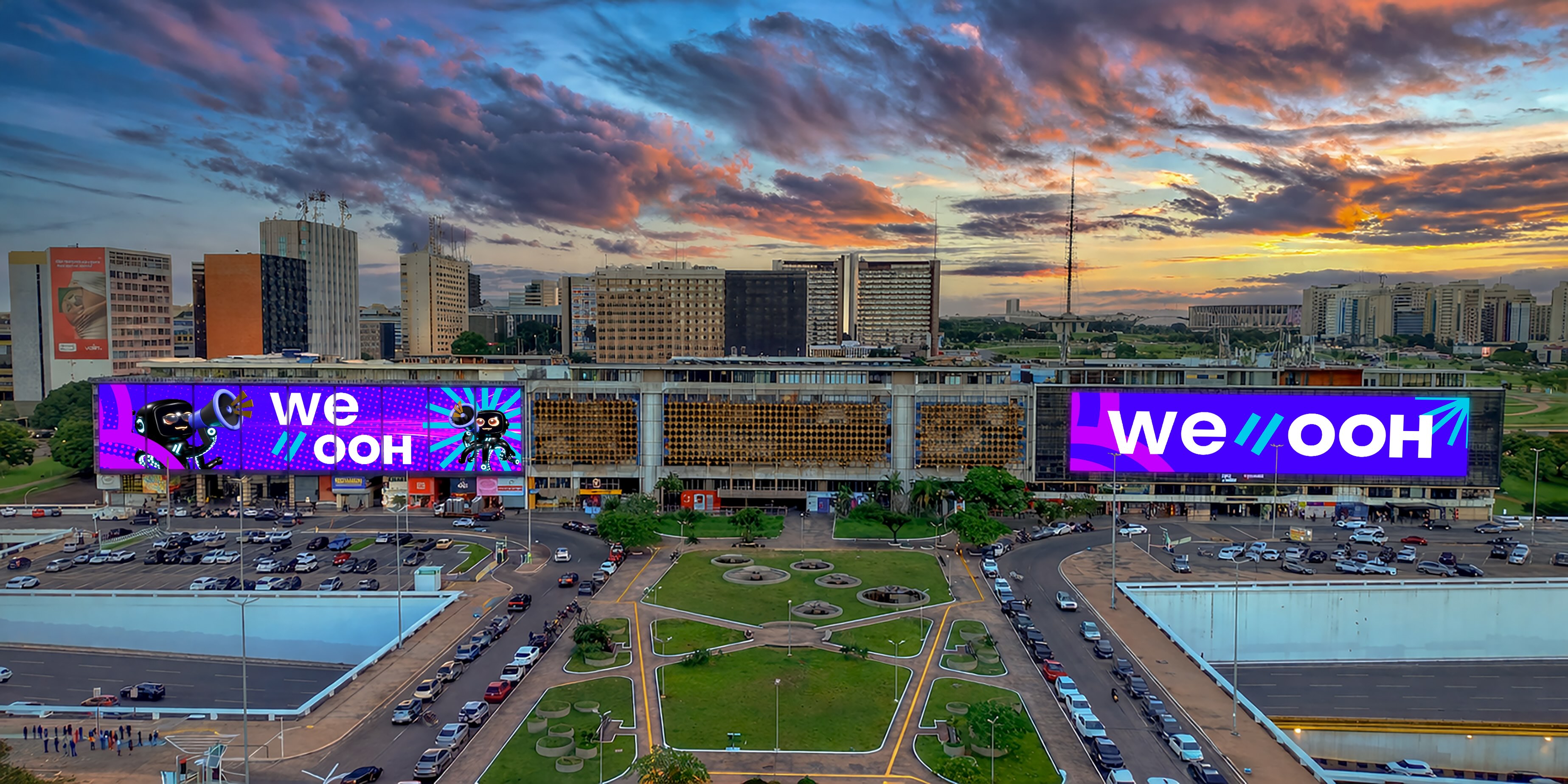
Large format DOOH includes digital billboards along highways and major roadways, as well as large spectacular displays in high-traffic urban locations like Times Square, Piccadilly Circus, or the Las Vegas Strip. These formats deliver massive reach and high visual impact, making them ideal for brand awareness campaigns. Digital billboards typically rotate ads every 8 to 10 seconds, with each advertiser receiving a share of the available display time.
Street Furniture
Street furniture refers to DOOH screens integrated into urban infrastructure: bus shelters, kiosks, information panels, and pedestrian-level displays. These formats reach consumers at eye level in high-foot-traffic areas, often near point-of-purchase locations. Street furniture offers lower reach per screen than large format but higher proximity to consumers and retail locations.
Transit
Transit DOOH includes screens inside and outside buses, trains, subway stations, and airports. Transit formats reach commuters and travelers during their daily routines, often providing extended dwell times, particularly in subway platforms and airport lounges where consumers may be waiting.
Place-Based
Place-based DOOH encompasses screens in specific venues: shopping malls, gyms, medical offices, office building lobbies, bars and restaurants, and convenience stores. These formats reach consumers in specific contexts and mindsets, enabling targeted messaging relevant to the venue type.
Programmatic DOOH
The introduction of programmatic buying to DOOH is transforming how the channel is planned, bought, and measured. Programmatic DOOH (pDOOH) allows advertisers to purchase DOOH impressions through demand-side platforms using the same workflow they use for display, video, and mobile advertising.
How Programmatic DOOH Works
Programmatic DOOH uses a modified version of the real-time bidding infrastructure familiar from online advertising. DOOH screen operators (analogous to publishers) make their inventory available through supply-side platforms. Advertisers bid on impressions through DSPs. When a bid is won, the ad is delivered to the screen.
However, DOOH has important differences from online programmatic. DOOH impressions are not one-to-one like a web browser ad slot. A single DOOH screen play may be seen by dozens or hundreds of people simultaneously. Impressions are estimated rather than precisely counted, typically using audience measurement data from vendors like Geopath in the United States or Route in the United Kingdom.
Targeting Capabilities
Programmatic DOOH offers targeting options that were not available through traditional DOOH buying:
- Dayparting: Target specific times of day when the desired audience is most likely to be present. Morning commute hours for business professionals, lunch hours near restaurants, or evening hours for entertainment advertisers.
- Weather triggers: Activate campaigns based on local weather conditions. Sunscreen brands can advertise on sunny days, umbrella brands during rain, and hot beverage brands when temperatures drop.
- Audience composition: Use mobile location data and panel studies to target screens where the audience composition matches the desired demographic or behavioral profile.
- Geographic targeting: Select screens within specific geographies, trade areas, or proximity to retail locations to drive foot traffic to nearby stores.
- Event-based triggers: Activate campaigns around specific events, from sports games to concerts to local festivals, reaching audiences when they are most concentrated.
DOOH Measurement and Attribution
Measuring the effectiveness of DOOH campaigns has historically been challenging due to the medium's one-to-many nature. Unlike digital advertising where each impression is associated with a specific device, DOOH impressions reach multiple viewers simultaneously without individual identification. However, modern measurement approaches have made significant progress.
Audience Measurement
Organizations like Geopath use a combination of mobility data, traffic counts, census data, and eye-tracking studies to estimate the number and composition of people likely to see a DOOH display. These estimates form the basis of DOOH impression counting and pricing.
Footfall Attribution
Mobile location data enables footfall attribution, measuring whether people who were exposed to a DOOH ad subsequently visited a physical store location. This approach uses panels of mobile devices whose location is tracked with user consent, comparing visit rates between exposed and unexposed groups.
Digital Conversion Tracking
By combining DOOH exposure data with mobile device identifiers, advertisers can track whether users who were near a DOOH screen at the time an ad played subsequently took digital actions like visiting a website, downloading an app, or making an online purchase.
Brand Lift Studies
Survey-based brand lift studies measure changes in awareness, consideration, and purchase intent among consumers exposed to DOOH campaigns compared to control groups. These studies provide direct evidence of advertising impact on brand metrics.
Integrating DOOH Into Omnichannel Campaigns
DOOH is most effective when integrated into broader cross-channel campaigns rather than used in isolation. Several integration strategies have proven effective:
- Sequential retargeting: Use mobile device data to identify users who were exposed to a DOOH ad and retarget them with digital ads on their personal devices. This extends the DOOH message into a one-to-one digital environment.
- Synchronized campaigns: Coordinate DOOH creative with concurrent digital, social, and television campaigns to reinforce messaging across touchpoints and increase overall campaign frequency.
- Geofenced activation: Use DOOH to build awareness in a geographic area while simultaneously running mobile ads to users in the same area, creating a surround-sound effect for local campaigns.
Creative Best Practices for DOOH
DOOH creative requires a different approach than digital display advertising:
- Simplicity: DOOH viewers typically have only a few seconds of exposure. Messaging must be immediately understandable with minimal text, clear visuals, and a single clear call to action or brand message.
- Bold visuals: DOOH screens compete with the visual richness of their physical environment. High-contrast images, vibrant colors, and large text ensure visibility and impact.
- Dynamic creative: DOOH's digital nature enables dynamic creative that changes based on time, weather, location, or data feeds. A coffee brand might show iced coffee on hot afternoons and hot coffee on cold mornings, keeping the message contextually relevant.
- Motion and video: Short-form video and motion graphics capture attention more effectively than static images, though they must communicate the key message within the first two to three seconds.
The Future of DOOH
DOOH is positioned for continued growth as programmatic infrastructure matures, measurement capabilities improve, and advertisers seek channels that reach consumers in the physical world where purchases happen. As more screens are digitized and connected, the total addressable inventory continues to expand. The convergence of DOOH with mobile, social, and digital channels is creating new opportunities for integrated campaigns that seamlessly bridge online and offline consumer experiences.