Look, I’ve been around the block a few times. Seen every shiny new gadget, every supposed revolution, every tech company promising to change the world only to quietly fold a few years later. So when I see headlines about VHS tapes and landlines making a comeback, my BS detector goes off. It’s easy to get swept up in ’90s nostalgia, especially when younger generations are apparently ditching their smartphones for flip phones. But let’s be real for a second: who is actually making money here, and is this a genuine trend or just a fleeting fad for TikTok fodder?
Let’s start with the data that’s supposed to make you stop scrolling: a Consumer Reports report claims about 15% of Americans watched VHS tapes in the last year. Fifteen percent. That’s not some niche collector group; that’s a significant chunk of the population. And it’s not just VHS. Portable CD players, aka Discmen, are apparently seeing a similar bump, with 45% of Americans using CDs in the past year. Forty-five percent! I mean, I remember lugging around binders of burned CDs that skipped if you looked at them wrong. Now it’s cool again? My skepticism is practically a professional hazard at this point.
Why the sudden urge to rewind? The article dangles the idea of ‘simplicity’ and ‘intentionality’ like they’re some kind of holy grail. Gen Z wants an escape from constant notifications, from the curated perfection of Instagram. They’re seeking ‘tactile entertainment’ over ‘digital distraction.’ And sure, I get that. Who wouldn’t want to trade a doomscroll for the ritual of rewinding a tape? It makes movie-watching a ‘commitment,’ apparently. It makes taking photos an ‘event’ with disposable cameras, rather than just… another filtered selfie.
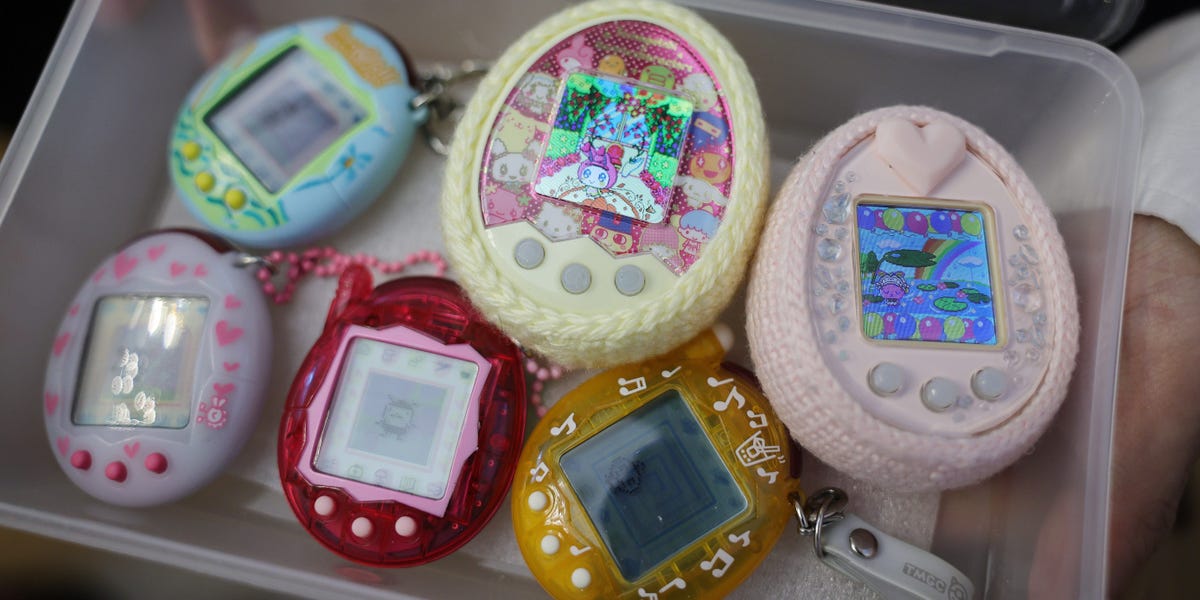
But here’s the dirty little secret the PR folks don’t want you to dwell on: these aren’t just charming throwbacks. There’s a business angle, always. Tin Can, this WiFi-enabled landline thing, is a perfect example. Parents are buying it so their kids can ‘chat with friends like they did in the ’90s,’ which is a lovely sentiment, but what it really means is they’re delaying handing over an actual smartphone. That’s smart business – offering a contained, less addictive alternative that still taps into parental anxieties about screen time. And the re-release of ’90s tech for newer devices? Nintendo is doing it, and you can bet your last Tamagotchi they’re making a killing off nostalgia.
The Analog Appeal: More Than Just a Feeling?
This isn’t just about a bunch of hipsters wearing flannel and listening to Pavement on repeat. There’s a genuine disconnect happening with modern tech. We’ve got more connectivity than ever, yet people report feeling more isolated. The sheer volume of content is overwhelming. So, yeah, maybe pressing a physical button on a chunky Game Boy feels more satisfying than swiping endlessly on a touchscreen. Maybe the deliberate process of burning a CD for a road trip felt more meaningful than letting Spotify curate a playlist for you.
But let’s not get misty-eyed. The ’90s weren’t some utopia of analog bliss. Remember dial-up internet? Remember waiting for a fax machine? Remember trying to find a video store that actually had the movie you wanted to rent? This romanticized view conveniently forgets the frustrations, the limitations, the sheer inconvenience of it all. The ’90s tech comeback isn’t about replicating the past; it’s about cherry-picking the elements that offer a perceived antidote to present-day digital overload.
So, will VHS tapes be ruling the roost again? Probably not. Will we all be trading our smartphones for chunky Nokia flip phones? Highly unlikely. But will these retro gadgets continue to find a market among those seeking a different kind of engagement? Absolutely. It’s a segment of the market that companies are smart to tap into, and one that taps into a real, undeniable feeling of digital fatigue. The question is, how long can this trend last before the novelty wears off and the inherent limitations of ’90s tech become too much to bear, even for the most nostalgic among us? And more importantly, who’s really raking in the cash by selling us back our own past?
Why the ’90s Tech Resurgence Matters
It’s easy to dismiss this as just a fad, a quirky trend driven by aging millennials and curious Gen Zers. But I think it signifies something deeper. It’s a quiet rebellion against the relentless pace of technological advancement. We’re so focused on the ‘next big thing’ that we’re forgetting the simple joys and intentionality that older technologies offered. The physical act of inserting a cartridge, the tangible weight of a CD, the satisfaction of rewinding a tape – these are experiences that a purely digital world can’t replicate. And as brands recognize this hunger for the tangible, expect more products designed to evoke that feeling, even if they’re underpinned by modern WiFi and cloud storage.
The Money Behind the Memory
Ultimately, every trend, no matter how nostalgic, circles back to economics. Tin Can isn’t selling vintage landlines; they’re selling a modern interpretation that solves a modern problem (parental smartphone anxiety). Portable CD players and VHS tapes might see a boost from collectors and niche enthusiasts, but the real money is in companies finding new ways to package old feelings into new products. It’s the commodification of nostalgia, and it’s a reliably profitable business. The demand for ‘simplicity’ is being met by ‘simplified’ versions of complex modern tech, wrapped in a ’90s aesthetic.
“Some of these analog items are gaining traction again. Among them, Gen Z consumers have been embracing the simplicity of flip phones, digital cameras, and landlines.”
This quote hits the nail on the head. It’s not just about longing for the past; it’s about seeking a different way of living in the present. And companies that can effectively tap into that desire, while still making a buck, will be the ones to watch.
🧬 Related Insights
- Read more: Olyzon Raises $10M CTV AI Bet: S4S Ventures Invests
- Read more: Heineken Cuts Agency Roster: What It Means for Your Beer Ads
Frequently Asked Questions
What does ’90s tech resurgence mean? It means younger generations and some adults are intentionally choosing older technologies from the 1990s, like VHS tapes, portable CD players, and flip phones, over modern digital alternatives, often seeking simplicity and a break from constant connectivity.
Is ’90s tech actually better? Not necessarily ‘better’ in terms of functionality or convenience, but it can offer a different, often more intentional and less distracting, user experience compared to today’s hyper-connected digital devices.
Who is buying ’90s tech now? Primarily Gen Z and millennials, who are drawn to the nostalgia, perceived simplicity, and tactile nature of these older gadgets, as well as parents looking for less distracting communication options for their children.